Physical Address
304 North Cardinal St.
Dorchester Center, MA 02124
Physical Address
304 North Cardinal St.
Dorchester Center, MA 02124

Anyone can invest — let’s start today.
Anyone can invest — let’s start today.
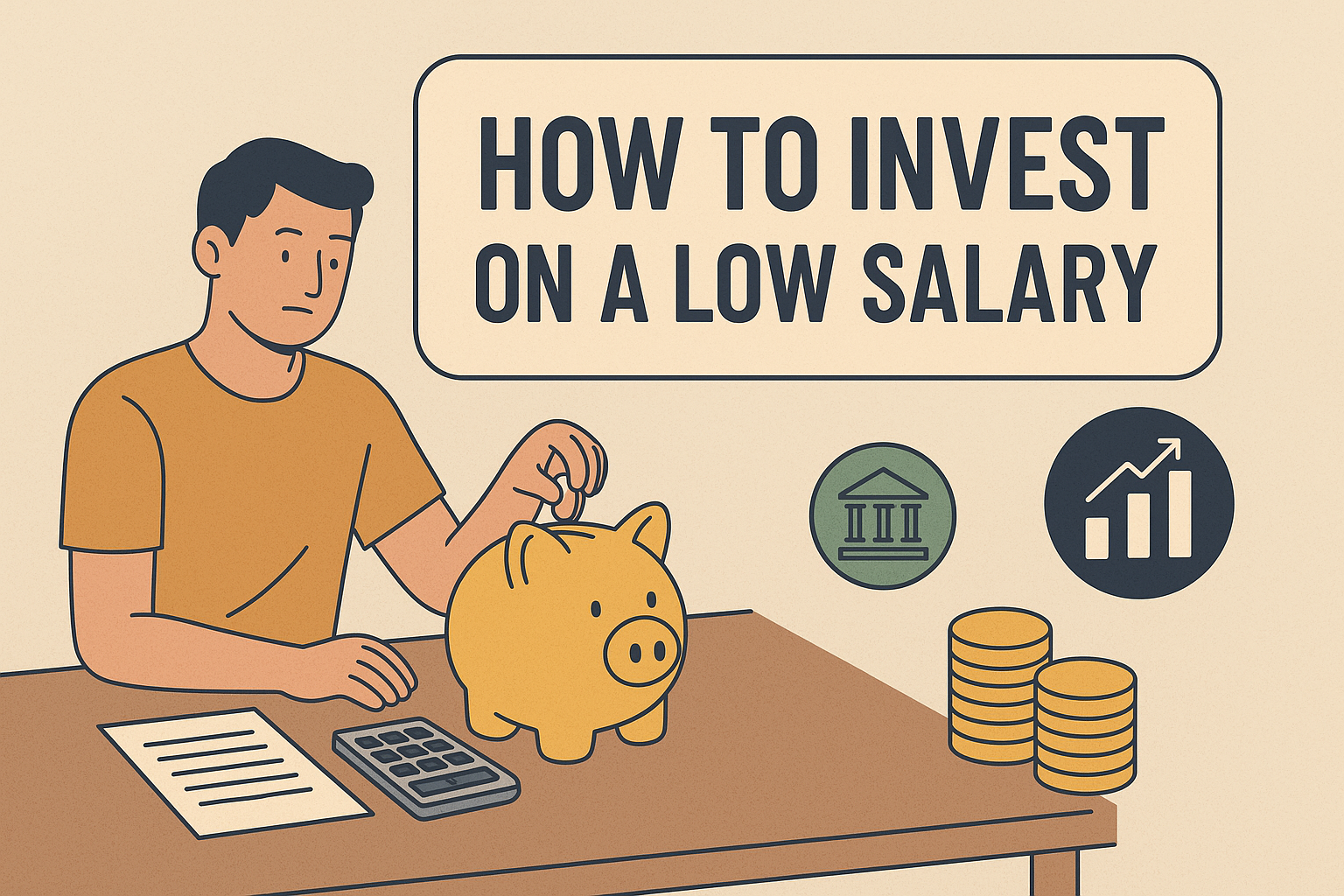
Learning how to invest on a low salary is not only possible. It is one of the smartest financial moves you can ever make. Real wealth is built from consistency and time, not from a high income. Whether you earn €1,600 a month or €6000 a month, the investor who begins early beats the investor who waits.
Many people with modest income believe they cannot invest yet. They think investing is something for “future them” when life is easier and their salary is higher. But investment success does not belong to people who earn the most. It belongs to people who begin before they feel ready.
If you learn how to invest on a low salary today, even with €20 to €50 per month, your future self will live a completely different financial life than someone who keeps waiting for the perfect moment.
Most people do not fail because they invest incorrectly. They fail because they never start. They want the perfect moment, the perfect job, the perfect month without surprise expenses, the perfect plan and the perfect confidence level. None of those things are required.
When I began investing, I had €35 per month to spare. Not €300. Not €100. Thirty-five. I felt embarrassed by the small amount, until I realised the first €35 was the most powerful money I would ever invest because it taught me a habit that will last for life. It wasn’t about the number. It was about the identity change.
I went from being someone who hoped for a better financial future to someone who built one.
A close friend experienced something similar. She made €1,300 a month and began investing €20 per month in an ETF. Two years later, she increased it to €50 and later to €150. Today, her portfolio sits above €4,800 and continues to grow. She once said:
“Investing did not make me feel rich. It made me feel in control for the first time in my life.”
That is exactly what learning how to invest on a low salary gives you. Control.
Investing should not make you feel like life is punishment. The purpose is not to cut everything that makes you happy. The purpose is to redirect money from habits you do not care about to habits that shape your future.
To prove this to myself, I did a small personal experiment for 30 days. I tried to free up money without removing anything that brought joy. The goal was not to be extreme. The goal was to be strategic.
| Change | Expected Savings | Real Savings |
|---|---|---|
| Bringing lunch twice a week | €40/month | €52/month |
| Switching to a cheaper phone plan | €15/month | €19/month |
| Removing two unused subscriptions | €20/month | €32/month |
Total amount freed: €103 per month
I invested that €103 automatically. I did not feel deprived. I enjoyed life the same as before. But I was now growing my future every month.
That is how to invest on a low salary without lowering your quality of life. You do not take joy out of your present. You remove waste and replace it with purpose.
When your income is small, you cannot afford big losses. That means you should avoid high-risk approaches like picking random stocks or trading crypto without experience. These strategies can be exciting but unpredictable.
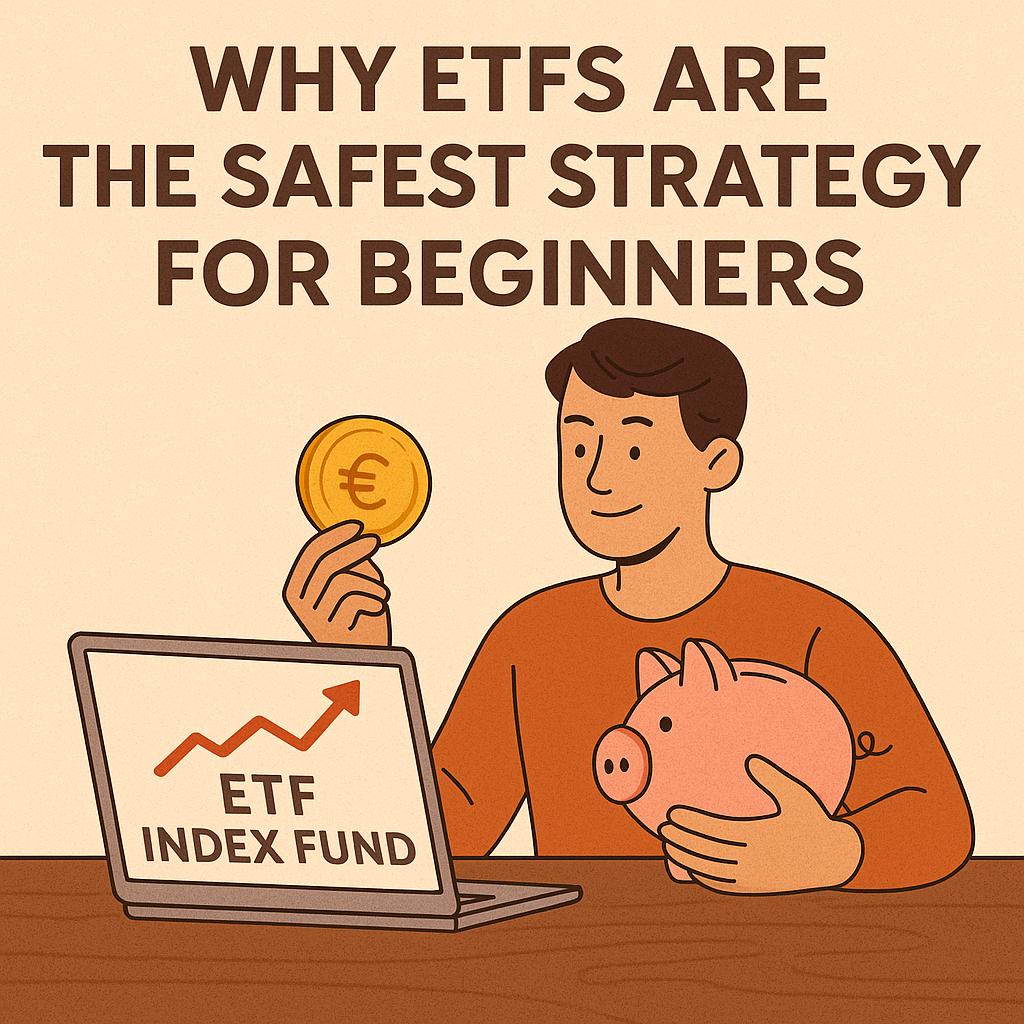
When I discovered ETF index funds, everything changed. ETFs allow you to invest in hundreds or thousands of companies at the same time. You do not need to be an expert. You do not need to check the stock market every day. You do not need to chase trends. The world economy grows over time, and ETFs allow you to grow with it.
Historical data shows that a global ETF such as MSCI World earned close to 10 percent per year on average across decades. If someone invests €50 per month consistently, the approximate results look like this:
This is how compound interest works. It starts small and then becomes powerful.
Many beginners who learn how to invest on a low salary choose ETFs because they are affordable, safe, diversified and easy to automate.
In the beginning, I made the mistake of investing everything while saving nothing. When an unexpected expense appeared, I was forced to sell investments during a downturn. That hurt more psychologically than financially.
A healthy approach works like this:
This creates financial comfort. If anything unexpected happens, you do not need to touch your investments. You protect your future and handle your present at the same time.
Once you understand the importance of consistency, the next question is what to actually invest in. Learning how to invest on a low salary becomes much easier when you focus on simple, safe and transparent investment choices. You do not need a complicated portfolio with dozens of assets. You do not need to chase trends. You do not need to become an expert before you start. Most successful beginner portfolios are built from just three key tools:
ETF index funds are usually the main engine of growth. Government bonds and savings funds add safety and stability. A small amount of cash is kept available so you never need to sell investments at a bad time.
Why is this structure ideal for someone learning how to invest on a low salary? Because it balances growth and safety. Even if you invest small amounts, your investments are globally diversified and protected from extreme risk. This setup works whether you invest €25 per month or €500 per month. It scales with your life rather than requiring you to already be wealthy.
Once the basics are steady, you can adjust for personality and preference. Some people invest 90 percent in ETFs and 10 percent in bonds. Others begin with 70 percent ETFs and 30 percent bonds for greater comfort. The exact numbers are less important than the consistency. The structure creates the discipline. The discipline creates the results.

Investment terms can sound complicated, but the meaning behind them is simple. When you learn how to invest on a low salary, you are not just buying financial products. You are buying pieces of the world around you.
An ETF index fund is not just a line on a screen. It means you are a tiny owner of thousands of real companies people use every day. When someone buys groceries, streams a movie, books a flight, buys sportswear, gets medical treatment or fills up a car, a fraction of that economic activity helps your investment grow. You do not need to predict which single company will become successful. You own a small piece of almost everything.
A government bond is not just a complicated financial instrument. It is simply the government borrowing money from you and paying you interest for doing so. It is one of the safest forms of saving because governments almost never default. It gives you slow, steady growth that stabilizes your portfolio when the stock market is volatile.
A cash buffer is not just money sitting in an account. It is financial freedom. It means you never need to panic during a market dip. It means you never need to sell investments at the wrong time. It means peace of mind.
Together, these three components add up to something much bigger than numbers. They create confidence, stability and progress. They give you the security to handle the present and the power to build the future. They allow you to invest without anxiety and without gambling.
These are real examples of people with modest incomes who started investing small amounts years ago, not recently.
| Person | Salary | Monthly Investment | Started | Current Portfolio |
|---|---|---|---|---|
| Anna (Student) | €1,200 | €25 per month | about 3 years ago | €1,050 |
| Benjamin (Retail employee) | €1,550 | €50 per month | about 4 years ago | €3,812 |
| Clara (Chef) | €1,480 | €100 per month | about 5 years ago | €8,965 |
Anna worked in a café while studying. She began with €25 per month because that was all she felt safe with. For a long time her portfolio looked small, but she continued anyway. Today she has more than €1,000 invested, and her mentality changed forever. She now feels financially capable and independent long before her career has begun.
Benjamin spent years feeling trapped by his salary. He did not believe investing €50 per month would make a difference. He began as an experiment and later realised something important. The amount in his bank did not change his mindset. The act of investing did. Watching progress month after month gave him pride, motivation and relief.
Clara worked long hours in kitchens and rarely had energy for financial planning. She started with €100 per month because her dream was to one day open her own restaurant. Today she is not rich, but she feels that her dream is possible. She describes investing as “permission to imagine a bigger life.”
These three people learned how to invest on a low salary not by earning more, but by committing more.
The first months of investing are the hardest. You build the habit, but growth is slow. After a few years, results become noticeable. After about seven to ten years, something incredible happens. Your investments begin growing faster than your contributions. At that point, time is building your wealth for you.
Most people never reach this stage because they quit early. They believe progress is too slow. The successful investor is the person who stays long enough to let money multiply.
Consistency beats talent. Consistency beats luck. Consistency beats income.
Learning how to invest on a low salary is not about knowing everything. It is about doing the right things over and over until the results arrive.

If you earn €1,600 per month or less, you can invest. You do not need a high-paying job to build wealth. You need the courage to start with what you can afford. You need the patience to continue when progress is slow. You need the belief that small steps repeated for years become life-changing.
Your salary does not decide whether you become wealthy. Your habits do.
The biggest financial regret most people have later in life is simple. They wish they had started sooner.
how to invest your first 100 euros – extreme beginner guide
how to invest when you are scared to lose money
Investing education
ETF research
Budgeting & personal finance
Compound interest calculators