Physical Address
304 North Cardinal St.
Dorchester Center, MA 02124
Physical Address
304 North Cardinal St.
Dorchester Center, MA 02124

Anyone can invest — let’s start today.
Anyone can invest — let’s start today.

Kids grow up fast. Too fast. One minute you are teaching them to walk and the next minute they are asking for a phone, a bike, a gaming PC or money for driving lessons. Then come the big expenses: university, a gap year, a first apartment or maybe even a business idea. All of this is exciting, but it can also be financially overwhelming.
This is why investing for kids is such a powerful idea. Instead of stressing when your child turns 18, you can start early and build something slowly over time. With the right approach, you do not need to save a lot. You just need to start and be consistent.

A savings account feels safe and familiar, but over 18 years it does not do much. The interest rate is too low to fight inflation. But when you invest money consistently over those 18 years, the returns can become life changing.
Here is a simple example that shows why investing for kids works:
| Monthly Contribution | 18 Years in Savings (1.5 percent) | 18 Years Investing (8 percent) |
|---|---|---|
| €50/month | approx. €11,800 | approx. €21,700 |
| €100/month | approx. €23,600 | approx. €42,600 |
| €150/month | approx. €35,400 | approx. €63,500 |
You do not need financial genius. You only need time and patience. That is the magic of compounding, and it is the reason investing for kids is growing rapidly in popularity.

If you are new to the world of investing, do not worry. This is very simple. Investing for kids normally follows these steps:
A standard brokerage account is fine. If your country offers a special tax-advantaged account for children, you can use that too.
Anything helps. Whether it is €25, €50 or €100 per month, it will grow impressively over 18 years. Some parents also contribute extra when money is available, such as after a bonus or tax return.
When investing for kids, diversification matters more than stock picking. That is why most parents use simple, broad options like:
• Global index ETFs
• S&P 500 ETF
• All-world index fund
• Target-date fund that matures near age 18
You do not need to pick the hottest stock of the year. You need something stable that grows over time.
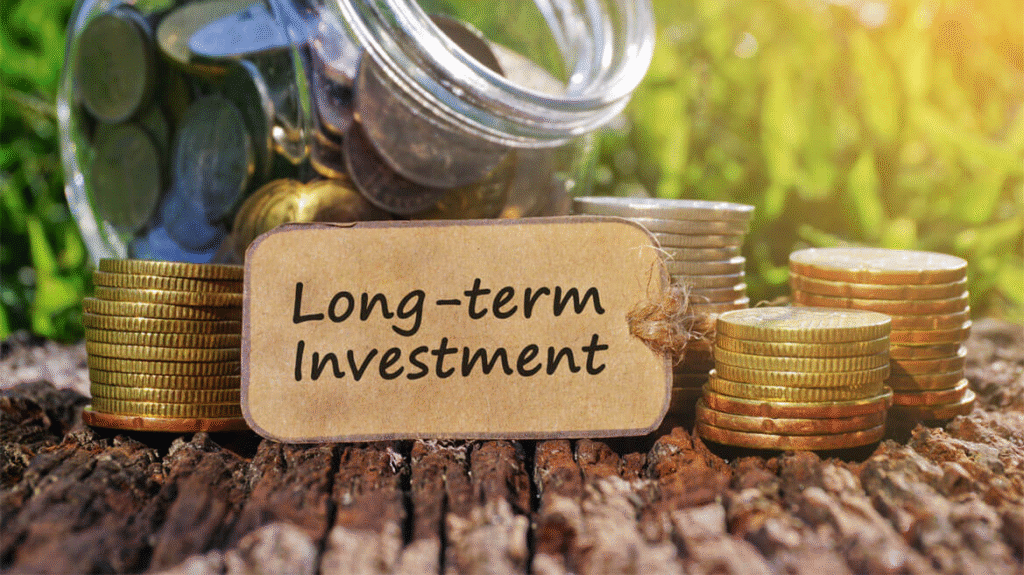
If the contribution is automated monthly, investing for kids becomes a background process. No stress. No decisions. No temptation to stop.
There will be moments when the news sounds scary or the market drops. When investing for kids, that does not mean failure. It means everything is working as expected. Markets go up and down, but historically they trend upward over long periods.
If the idea of starting still feels intimidating, you might find these helpful:
• [How to invest your first 100 euro]
• [How to invest when you are scared to lose money]
• [How to invest if you have a low salary (€1,600/month or less)]
These guides can help build confidence before or alongside investing for kids.
Money can feel like a serious topic, but building a portfolio for your child can be surprisingly enjoyable.
Some ideas families love:
• Add an extra contribution every birthday
• Ask grandparents to contribute instead of buying another toy
• Make it a yearly family ritual to check the balance and celebrate progress
• When your child turns 10 or older, let them choose between two ETFs to build financial curiosity
The best part is that investing for kids teaches responsibility without lectures. Kids learn by seeing how money grows over time.

The beautiful thing is that you do not need to decide right now. Investing for kids builds options.
Possible uses:
• First year of university tuition
• A gap year adventure
• A car or scooter for transportation
• Starting a business or freelancing career
• A down payment for an apartment
• Emergency savings as they start adulthood
Even if they do not need it immediately, the portfolio can continue compounding. It could become the foundation for lifelong financial security.
In the beginning, investing for kids should lean heavily toward stocks because the money is not needed for a long time. But as the child gets closer to 18, it is smart to reduce risk slowly.
A healthy timeline looks like this:
• Age 0 to 13: 90 to 100 percent stocks
• Age 14 to 16: 70 to 80 percent stocks and 20 to 30 percent bonds
• Age 16 to 18: around 50 to 60 percent stocks and 40 to 50 percent bonds
This shift keeps the gains safe without completely stopping growth.

If you want to get even better at investing while building your child’s portfolio, these resources are perfect next steps:
• [Best 13 books for investors]
• [9 beginner money habits]
Becoming more confident with your own financial journey makes investing for kids even easier.
You can explore or replace the links below with your own affiliate links:
• Vanguard ETF Guide
• Morningstar ETF Screener
• NerdWallet Index Fund Review
• Compound Interest Calculator
These tools help parents choose investments and understand the power of long-term compounding.
Investing for kids is not about raising a spoiled teenager or trying to make them rich. It is about giving them financial breathing room. Not every 18-year-old gets that chance.
You do not need a high income to start. You do not need to know everything. You only need time, consistency and patience.
If you want to give your child something meaningful, something that grows, something that creates opportunity, then there is no gift more powerful than investing for kids. It grows quietly in the background while you enjoy all the milestones of childhood.
Because the money is not the most valuable result.
The freedom is.