Physical Address
304 North Cardinal St.
Dorchester Center, MA 02124
Physical Address
304 North Cardinal St.
Dorchester Center, MA 02124

Anyone can invest — let’s start today.
Anyone can invest — let’s start today.
If you’re searching for how to start investing when you’re scared, let me reassure you of one thing: you’re not alone. So many beginners don’t avoid investing because they’re irresponsible — they avoid it because they’re afraid of losing the money they worked so hard to earn.
For years, I believed investing was something only wealthy people or finance experts could do. I was neither. I told myself that waiting was the safe option, but deep down, I knew the real reason I wasn’t investing was simple: I was scared.
Ironically, the first step in learning how to start investing when you’re scared is understanding that fear isn’t a weakness — it’s a sign that you care about your financial future.
My mindset didn’t change after reading a financial book or watching a YouTube video. It changed during a simple conversation with a friend. He mentioned that his investments had grown automatically that year — no day trading, no stress, just steady long-term investing.
Hearing that shifted something inside me. I suddenly realized that doing nothing financially was also a risk. Watching prices rise every year while my savings stayed the same became scarier than the idea of investing.
That was the moment the question changed from “Should I invest?” to “How do I start investing when I’m scared of losing money?” And that question led me to the answer I had been avoiding: learning how to start investing when you’re scared requires starting before you feel 100% ready.
The first step in how to start investing when you’re scared is not opening an investment account — it’s building an emergency fund.
Once I had a few months of living expenses safely saved, investing didn’t feel like risking my financial stability. It felt like planting money I didn’t need today and could let grow for the future.
For help calculating how much to save for emergencies, this tool can help:
https://www.nerdwallet.com/article/finance/emergency-fund-calculator
If you’re not sure how to begin after building your safety net, start with something simple like How to Invest Your First €100 in 2025 (Simple Beginner Guide) (perfect for low-stress beginner investing).

When I finally made my first investment, it was small: €50 into a global ETF. Logically, it was tiny. Emotionally, it felt enormous.
The first time the investment dropped by €2, it felt like proof of my worst fear. Anyone learning how to start investing when you’re scared knows that early fear isn’t about the numbers — it’s about the feeling of losing control.
If you want to compare ETF options easily, this site is beginner-friendly:
https://www.justetf.com/
The next breakthrough in learning how to start investing when you’re scared was setting up automatic monthly investing. Money went in whether the market was up, down, or uncertain.
I stopped trying to predict the market and instead trusted time.
If you’re new to consistency, this explanation of dollar-cost averaging is extremely helpful:
https://www.investopedia.com/terms/d/dollarcostaveraging.asp

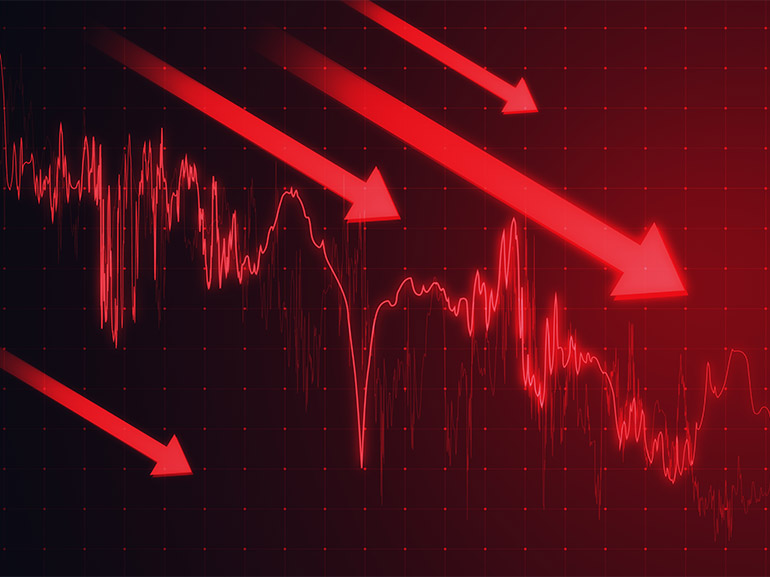
A few months later, the market dipped. Before, I would’ve panicked. But I remembered the advice:
“You don’t lose money when the market drops.
You lose money only if you sell during the drop.”
I stayed invested and kept buying every month. When the market recovered, my portfolio not only bounced back — it grew faster because I had bought more at lower prices.
To better understand risk and market movement, this resource is excellent:
https://www.investopedia.com/terms/m/market-risk.asp
Today, my strategy is intentionally boring but effective:
Learning how to start investing when you’re scared means choosing a plan that feels calm, not chaotic.
This beginner portfolio guide helped me simplify everything:
https://www.bogleheads.org/wiki/Getting_started
And if you’re someone who learns best from books, you’ll love my curated list of the 13 Best Books for Beginner Investors — Your Guide to Learning Wealth From Scratch
If you’re trying to figure out how to start investing when you’re scared, here’s what I wish someone told me earlier:
You just need to start small, start safe, and stay consistent.
Feeling fear doesn’t mean you’re not ready to invest. It means investing matters to you.
The smartest way to approach how to start investing when you’re scared is to begin with an amount that feels comfortable, use a long-term plan, and let experience build confidence — not fear.
One day, you’ll check your investment account with calm pride and realize something powerful:
You are no longer someone who is scared of investing.
You’re someone who invests confidently because you learned, took action, and stayed consistent.
And the best part?
You earned that confidence yourself.